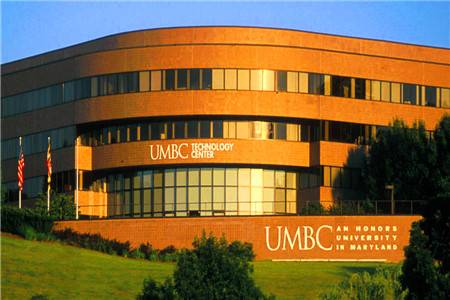
2020年马里兰大学巴尔的摩分校海洋-河口-环境科学理科硕士(渔业科学)入学条件及马里兰大学巴尔的摩分校海洋-河口-环境科学理科硕士(渔业科学)实习就业是申请留学的同学十分关心的话题,下面指南者留学详细整理2020年马里兰大学巴尔的摩分校海洋-河口-环境科学理科硕士(渔业科学)入学条件及实习就业相关信息供大家参考,其中包括2020年马里兰大学巴尔的摩分校海洋-河口-环境科学理科硕士(渔业科学)专业中文名、专业英文名、学制、学费、入学时间、授课语言、地理位置、课程领域、申请费、课程介绍、申请材料、课程设置、就业等。
研究生简介
专业中文名:海洋-河口-环境科学理科硕士(渔业科学)
专业英文名:MS in Marine-Estuarine-Environmental Science (Fisheries Science)
学 制:2.00 年
学 费:17025 美元/年
入学时间:1,8月
领 域:自然科学
申请费:75美元
专业介绍
Fisheries Science is multidisciplinary, drawing expertise from the biological, physical, and social sciences. Fisheries faculty conduct research such as populations and communities of aquatic resources, their responses to exploitation, and changes in environmental conditions, and their management from the sub-cellular to the ecosystem level. Much of the research is quantitative and may be either basic or applied in nature. A diversity of faculty talent exists within the University System of Maryland to provide graduate students with a strong education in ecology, biology, and management of fish and invertebrate resources.
The multidisciplinary nature of fisheries science requires broad training in areas that may include ecology, oceanography, aquaculture, economics, mathematics, seafood technology, pathology and diseases, and management science. Students will select a curriculum, with assistance from their Research Advisory committees, to best achieve their academic and professional goals. Students will obtain most of their academic course work from a broad array of relevant courses presently available throughout the University System of Maryland. The faculty recognizes that flexible, yet rigorous, curriculum choices are important for students in fisheries science.
入学条件
An overall GPA of 3.0
IELTS test takers must score no less than Band 6.5 for BSN or Band 7 for MS (total).
Minimum TOEFL scores to be considered for admission are 550 on the paper-based examination, 213 on the computer-based examination, and 79 on the Internet-based examination.
课程设置
Core components will be offered and at least three different core area courses must be completed by all students in the Fisheries Science AOS. The requirements may be waived if equivalent course work has been obtained elsewhere, and if the student and his or her Research Advisory committee successfully petition the AOS Committee.
1. Fisheries Science and Management - covers the basic principles of aquatic productivity, fish/invertebrate population biology, harvest and conservation of resources, assessing yield potentials, and fishery management practices.
2. Fisheries Ecology - covers the biological processes that affect productivity, abundances, and distributions of fish and invertebrate resources. Includes life history theory, predator-prey relationships, bioenergetics, trophic ecology, and zoogeography.
3. Aquaculture - covers the theory and practices of modern aquaculture of fishes and invertebrates. Includes coverage on water quality, production systems, extensive and intensive approaches, culture genetics, fish diseases, and management.
4. Quantitative Fisheries Science - covers the basic principles of population dynamics
5. Graduate Level Course in Oceanography (physical, chemical or biological) or Limnology - covers major and minor elements, composition of seawater, seawater ionic structure and interactions, nutrient distributions, biogeochemical cycles, and the biology of marine organisms.