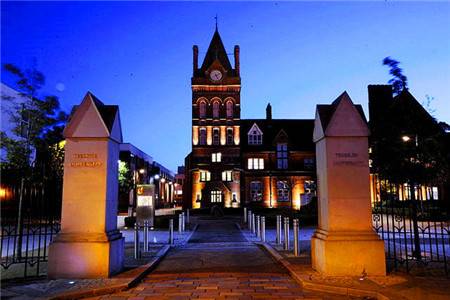
2020年提赛德大学全球发展与社会研究研究生文凭入学条件及提赛德大学全球发展与社会研究研究生文凭实习就业是申请留学的同学十分关心的话题,下面指南者留学详细整理2020年提赛德大学全球发展与社会研究研究生文凭入学条件及实习就业相关信息供大家参考,其中包括2020年提赛德大学全球发展与社会研究研究生文凭专业中文名、专业英文名、学制、学费、入学时间、授课语言、地理位置、课程领域、申请费、课程介绍、申请材料、课程设置、就业等。
研究生简介
专业中文名:全球发展与社会研究研究生文凭
专业英文名:Global Development and Social Research, PgDip
学 制:1.00 年
学 费:10450 英镑/年
入学时间:9月
授课语言:英文
授课校区:英国提赛德大学
领 域:人文社会科学
申请费:0英镑
专业介绍
成熟的跨国增长模式和最近的金融危机,对有批判发展眼光,能阐明政策干预措施,以及能建议相关机构实施发展干预的综合性人才有极大的需求。英国提赛德大学全球发展与社会研究研究生文凭全球发展与社会研究研究生文凭教授学生全球发展与社会研究领域的专业知识和实践技能,旨在开发学生作为从业人员独立研究的所有的技能。
英国提赛德大学全球发展与社会研究研究生文凭全球发展与社会研究研究生文凭涉及的内容有构思和设计的社会研究;社会研究方法;社会研究项目;国际发展社会学;跨国社会学等。
With the maturing of transnational patterns of growth and the recent financial collapse, there is a great need for trained scholars with a critical perspective on development, capable of articulating policy interventions based on independent research, and with skills to advise agencies responsible for development interventions. The course develops the skills you need as a development practitioner interested in conducting independent research.
Please note, the PgDip is one academic year in duration, while the MSc is one calendar year in duration.
How you learn
Modules are delivered in lectures, seminars and PC lab workshops. Each module has three hours of formal contact per week for 12-15 weeks. You are expected to undertake independent study to complement lectures and seminars. Academic staff are available on campus to support your learning.
入学条件
英国提赛德大学全球发展与社会研究研究生文凭课程入学要求:
学术要求:
大学毕业,拥有国内大学学士学位,其中211大学平均分不低于75分,非211大学平均分不低于80分(采用百分制):
语言要求:雅思总分不低于6.5分。
A minimum of 75% from a recognised four-year bachelor degree
英国提赛德大学全球发展与社会研究研究生文凭课程申请材料:
毕业证、学位证扫描件;
课程设置
英国提赛德大学全球发展与社会研究研究生文凭课程设置:
构思和设计的社会研究;社会研究方法;社会研究项目;国际发展社会学;跨国社会学
Conceptualising and Designing Social Research
Social Research Methods
Social Research Project
Sociology of International Development
Transnational Sociology
实习就业
英国提赛德大学全球发展与社会研究研究生文凭课程就业方向:
学生可以在非政府组织、发展机构(政府和半政府)、国际发展机构和论坛中就业。
Non-governmental organisations, development agencies (government and semi-government), international development bodies and forums are all potential employers of graduates wit