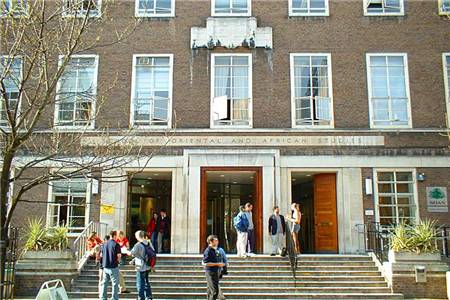
2020年伦敦大学亚非学院全球媒体与国际交流硕士入学条件及伦敦大学亚非学院全球媒体与国际交流硕士实习就业是申请留学的同学十分关心的话题,下面指南者留学详细整理2020年伦敦大学亚非学院全球媒体与国际交流硕士入学条件及实习就业相关信息供大家参考,其中包括2020年伦敦大学亚非学院全球媒体与国际交流硕士专业中文名、专业英文名、学制、学费、入学时间、授课语言、地理位置、课程领域、申请费、课程介绍、申请材料、课程设置、就业等。
专业介绍
英国伦敦大学亚非学院全球媒体与国际交流硕士全球媒体与国际交流硕士教授给学生全球媒体与国际交流方面的专业知识与实用技能。全球媒体与国际交流硕士的建立是始于以下几个想法:一是全球化是一个复杂而密集的过程,这牵涉到不同国家与地区的参与;二是全球化的过程的核心是通信技术的联结;三是电信与互联网与政治、经济、金融等之间的联结越来越密切。英国伦敦大学亚非学院全球媒体与国际交流硕士全球媒体与国际交流硕士的学制为一年。全球媒体与国际交流硕士研究的区域涉及亚洲、中东以及非洲等。
The MA in Global Media and Postnational Communication starts from three premises. One is that globalization is a set of complex and dense processes with unequal effects in different parts of the world but sufficiently strong to invite analysis of a post-national spatiality of global social relations. The second is that central to these processes is the role of communications technologies as infrastructure and skeins of connectivity and the circulation of mediated products that structure competing social imaginaries. The third is the growing convergence between the previously separable areas of broadcasting, telecommunications and the Internet, so that study of the current moment needs to address not just conventional media (press, radio, television) but also the explosion in new communication technologies, including the Internet, satellite technologies and mobile telephony. Thus the remit of this degree is the study of the dynamics of globalization and its critiques, and the roles and nature of communications technologies and mediated content within these processes and the consequent changes in the nature of political, economic, financial, social and cultural activity.
The specific and unique focus of this degree will be its exploration of the responses to globalization in the South and the dynamic developments in media and communications within Asia, Africa and the Middle East. It examines the growing significance of Asia, Africa and the Middle East as the locations of new media players and new cultural genres, of complex audience involvements with mediated communication and as the sites of critical and creative responses to globalization processes.
It is not only media content that circulates but people themselves who mo